Saudi Arabia Property Ownership for Foreigners in 2026: What Riyadh Buyers Need to Know
Saudi Arabia’s property market has opened further to international buyers in 2026. The new framework allows eligible non-Saudis to own real estate, but purchasing in Riyadh remains a regulated process involving geographic eligibility, government approval, documentation and registered payment procedures.
For buyers based in the UAE or elsewhere, understanding the rules before choosing a property can reduce delays and prevent unexpected costs. This guide explains the main points Riyadh buyers should consider when exploring Saudi Arabia property ownership for foreigners in 2026.
What changed in 2026?
The Law of Real Estate Ownership by Non-Saudis came into force in January 2026, replacing the previous framework with a broader system based largely on approved geographic areas and buyer eligibility. The law permits non-Saudi individuals and legal entities to acquire property or real rights in qualifying locations, subject to the applicable regulations and approvals.
Non-Saudi individuals may be able to purchase residential property for personal use, while companies and licensed investors may acquire real estate connected with approved commercial, professional or investment activities. The exact route depends on nationality, residency status, property type, intended use and location.
Riyadh is one of the cities subject to specific geographic controls. This means buyers should not assume that every listing in the capital is automatically available to foreign purchasers. Always verify that the property falls within an approved area and that the transaction can be registered under the buyer’s status.
Can foreigners buy property in Riyadh?
Foreigners may buy qualifying property in Riyadh under the 2026 framework, provided they meet the relevant conditions and complete the required approval and registration procedures. Resident and non-resident applicants can face different documentation requirements, and non-resident buyers may need a recognised digital identity or an approved route for submitting an application from abroad.
Ownership is not simply confirmed by signing a private sale agreement. The transaction should proceed through the official approval and registration channels, with title recorded in the Saudi Real Estate Registry. Buyers should also confirm that the seller has valid title, that the property has no undisclosed encumbrances and that the development is authorised for sale.
Before making an offer, ask the seller or broker for clear information about:
- The property’s title and registration status
- Whether the unit is located in an approved ownership zone
- Whether foreign ownership is permitted for the intended use
- Outstanding mortgages, liens, service charges or disputes
- Required approvals for the buyer and the property
- All government, registration, agency and transaction costs
Riyadh zones and property eligibility
Geographic eligibility is one of the most important issues for international buyers. Regulations can distinguish between cities, districts, property categories and buyer types. A home that appears suitable for a Saudi resident may not automatically be available to a non-Saudi buyer.
Location research should therefore go beyond comparing prices. Consider access to employment centres, schools, airports, public transport, retail areas and planned infrastructure, then confirm the legal status of the specific building or plot. Mena Homes’ area comparison tool can help buyers assess locations and compare neighbourhood factors before progressing to legal checks.
Where rules are unclear, obtain written confirmation from the relevant authority or a qualified Saudi property lawyer. Do not rely solely on marketing language such as “foreign-friendly,” “investment approved” or “available to international buyers.” The property’s official records and the buyer’s eligibility determine whether the purchase can proceed.
Key documents buyers should prepare
Document requirements vary, but international buyers should expect to provide identity, contact, financial and transaction information. Preparing a complete file early can make the process more efficient.
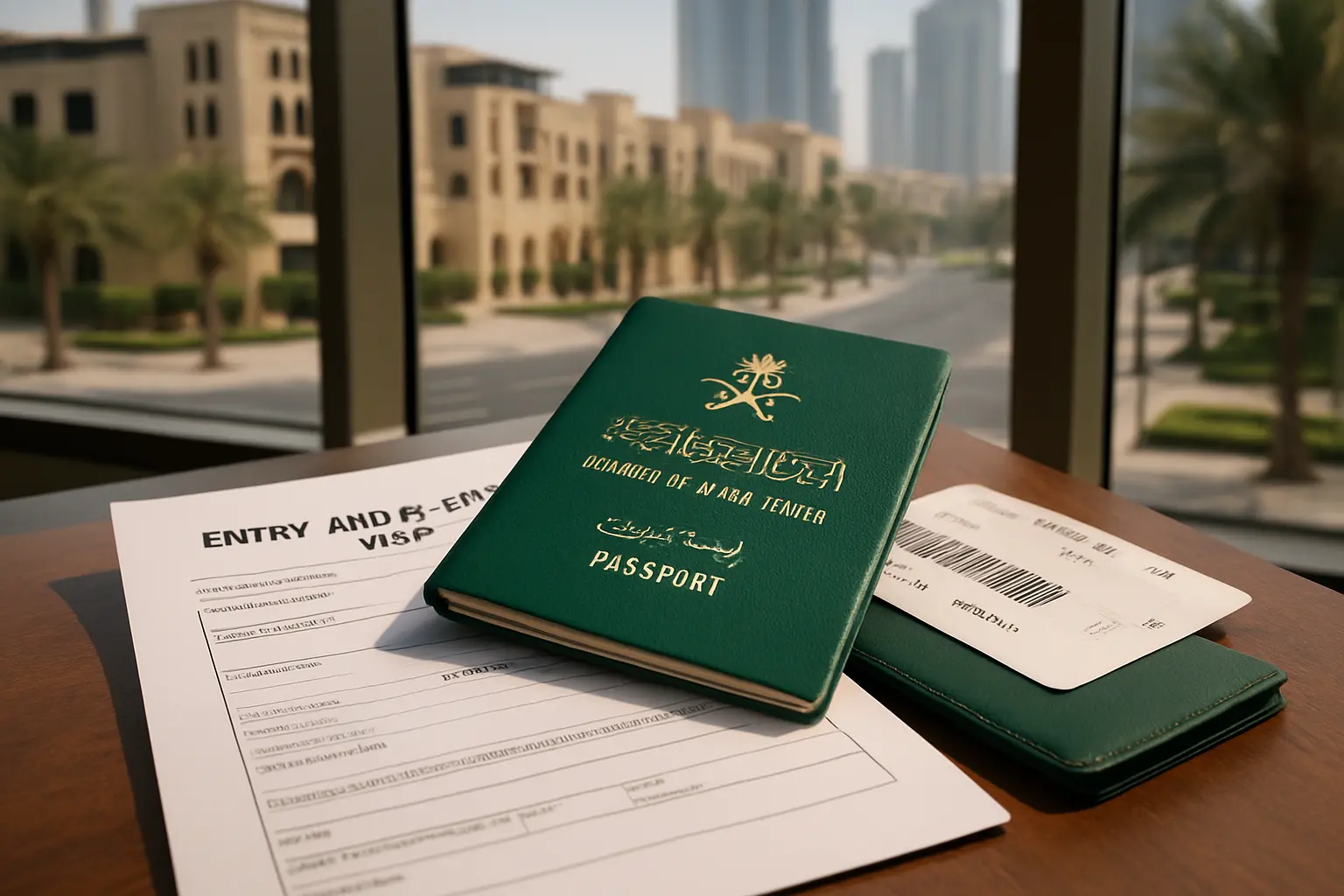
- Valid passport and personal identification documents
- Proof of residency or non-resident applicant details, where applicable
- Digital identity or authority-issued application credentials
- Proof of funds and source-of-funds information
- Tax, corporate or commercial documents for company purchases
- Power of attorney if a representative will act for the buyer
- Property title, sale contract and valuation documents
- Evidence of payment through approved electronic channels
Documents issued outside Saudi Arabia may need translation, legalisation or authentication. Confirm the required format before submitting anything, as incomplete or incorrectly certified documents can delay approval.
Financing and mortgage considerations
Some foreign buyers purchase with cash, while others explore Saudi mortgage finance or funding arranged in their home country. Eligibility, down-payment requirements, income verification, residency status, currency exposure and property type can all affect the available options.
Mortgage approval should be treated as a separate process from property approval. A bank may approve a buyer in principle but still require the chosen property to meet its valuation, title and location criteria. Interest or profit rates, arrangement fees, valuation charges, insurance, early settlement rules and repayment currency should be reviewed carefully.
Buyers can use Mena Homes’ mortgage resource to understand financing considerations and prepare questions for lenders. Obtain a written financing offer before committing to a completion date, particularly when the purchase depends on cross-border income or currency conversion.
Costs beyond the purchase price
The purchase price is only one part of the total budget. Buyers should allow for registration and government charges, legal advice, translation, document authentication, valuation, bank fees, broker commission, insurance, property management and service charges.
A transaction fee may apply to disposals involving non-Saudi ownership. Current professional guidance indicates that the applicable rate can depend on the location and transaction under the implementing regulations, so buyers should verify the amount with the relevant authority or transaction adviser before signing.
Also consider recurring expenses such as community fees, maintenance, utilities, leasing management and insurance. If the property will be rented out, review the rules governing leasing, marketing, tenant registration and taxation before relying on projected rental returns.
A practical buying process for Riyadh
- Define the purpose of the purchase, such as personal residence, investment or business use.
- Confirm whether the buyer is eligible under the 2026 non-Saudi ownership framework.
- Shortlist properties in locations that permit the intended foreign ownership route.
- Verify the title, seller authority, development approvals and property restrictions.
- Arrange financing or document proof of funds.
- Submit the required application and supporting documents through the authorised process.
- Sign the sale agreement only after reviewing conditions, deadlines and refund provisions.
- Complete payment through approved electronic channels.
- Register the transfer and obtain evidence of title in the official registry.
- Arrange utilities, insurance, handover inspections and property management if needed.
Common mistakes to avoid
One frequent mistake is paying a non-refundable deposit before confirming that the property can be owned by the intended buyer. Another is assuming that residency automatically gives unrestricted ownership rights. Residency, nationality, property location and intended use may all affect eligibility.
Buyers should also avoid using informal payment arrangements, accepting unclear powers of attorney or relying on verbal promises about approvals. Every important condition should be documented, and independent legal advice is sensible for high-value or complex purchases.
Final checklist for international Riyadh buyers
Before proceeding, confirm five essentials: the buyer’s eligibility, the property’s geographic status, the seller’s title, the full cost of completion and the official registration route. Keep copies of every approval, payment record, contract and title document.
Rules and implementation practices may develop as the 2026 framework is applied. For a transaction-specific decision, consult the relevant Saudi authority, a licensed broker, bank or qualified legal adviser.
Already sorted the paperwork? Find your next home on Mena Homes