Dubai Metro Blue Line: Which Neighborhoods Could Benefit Most?
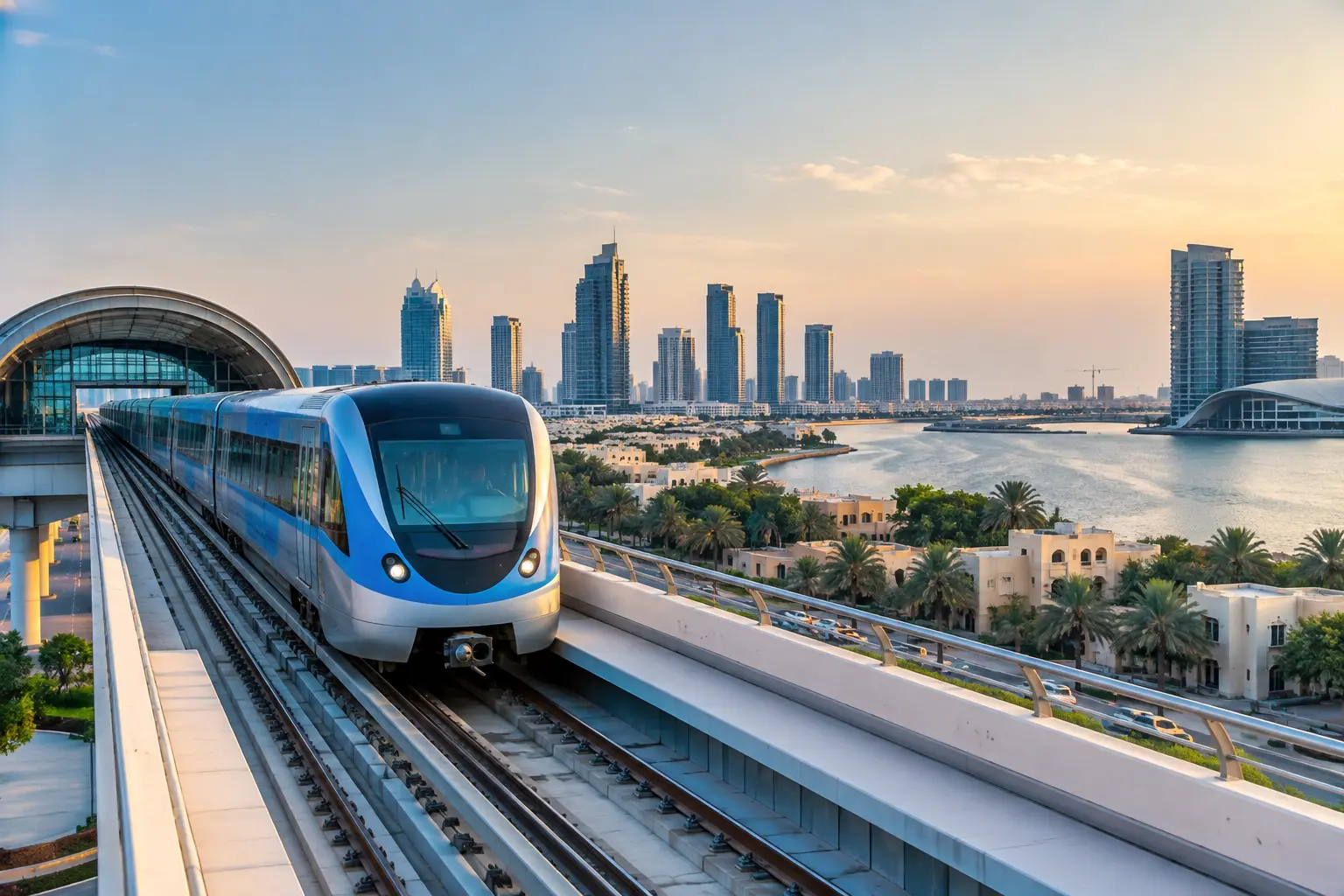
Dubai’s public transport network is set for another major expansion with the planned Metro Blue Line. The 30-kilometre route will include 14 stations and connect established communities, emerging residential districts, education hubs and major transport interchanges. The line is scheduled to open in 2029, creating new opportunities for residents, businesses and property investors across eastern and central Dubai.
For anyone comparing where to live or invest, the most important question is not simply where the stations will be located. It is how improved connectivity could influence commute times, rental demand, convenience, development activity and long-term neighborhood appeal.
What is the Dubai Metro Blue Line?
The Blue Line is planned as Dubai Metro’s third major route. It will connect with the existing Red and Green lines at Centrepoint, Creek and International City 1, allowing passengers to transfer more easily across the emirate. The route will also provide connections between Dubai International Airport and several key neighborhoods, including Mirdif, Al Warqa, International City, Dubai Silicon Oasis, Academic City, Ras Al Khor, Dubai Creek Harbour and Dubai Festival City.
One branch will run from Creek Interchange Station through Dubai Festival City, Dubai Creek Harbour, Ras Al Khor and International City before continuing towards Dubai Silicon Oasis and Dubai Academic City. The second branch will begin at Centrepoint in Al Rashidiya and pass through Mirdif and Al Warqa before meeting the first branch at International City 1.
This alignment matters because it links areas that have traditionally relied heavily on private cars with established metro corridors. It could make daily travel more practical for students, office workers, families and airport users.
Neighborhoods that could benefit most
1. Dubai Creek Harbour
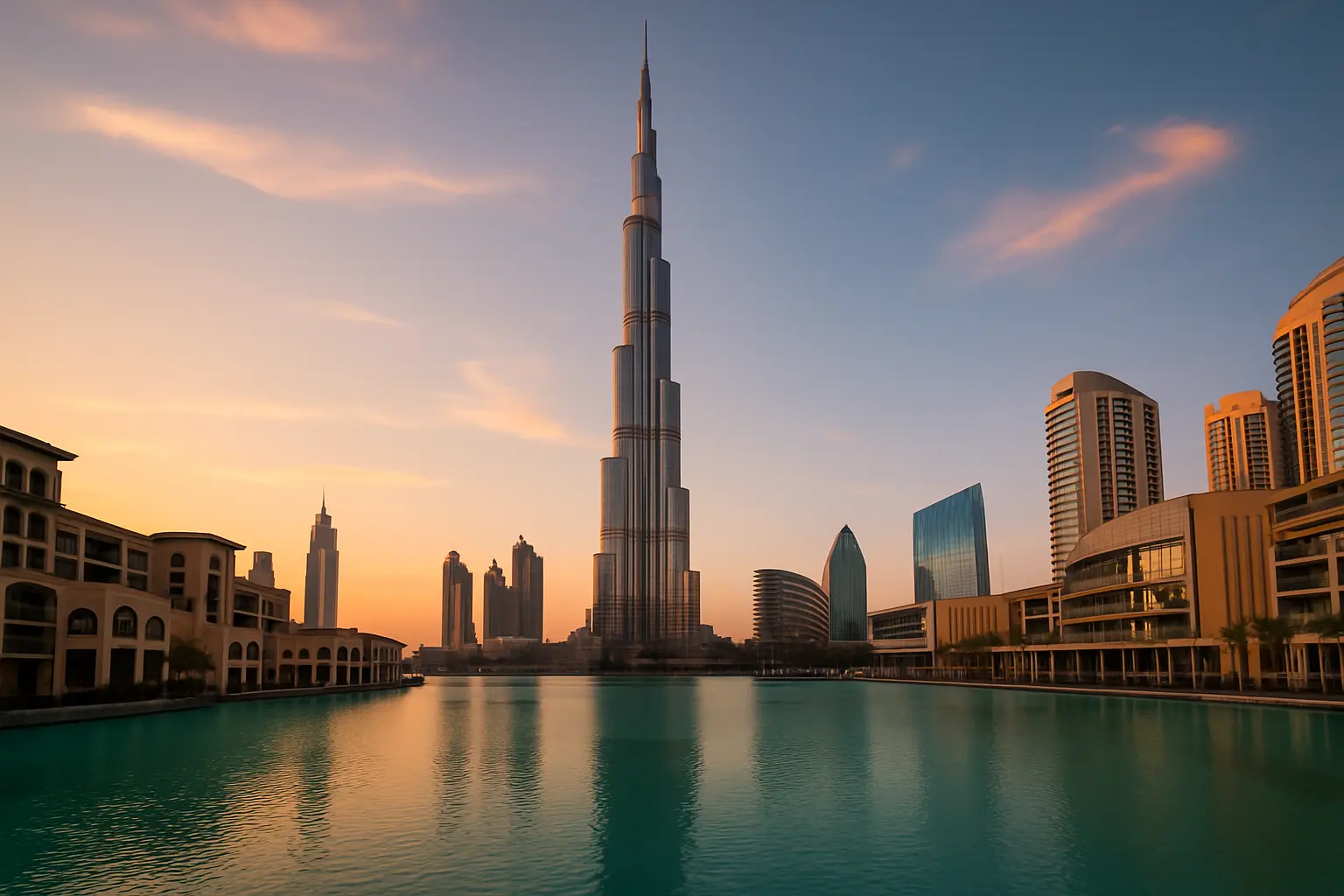
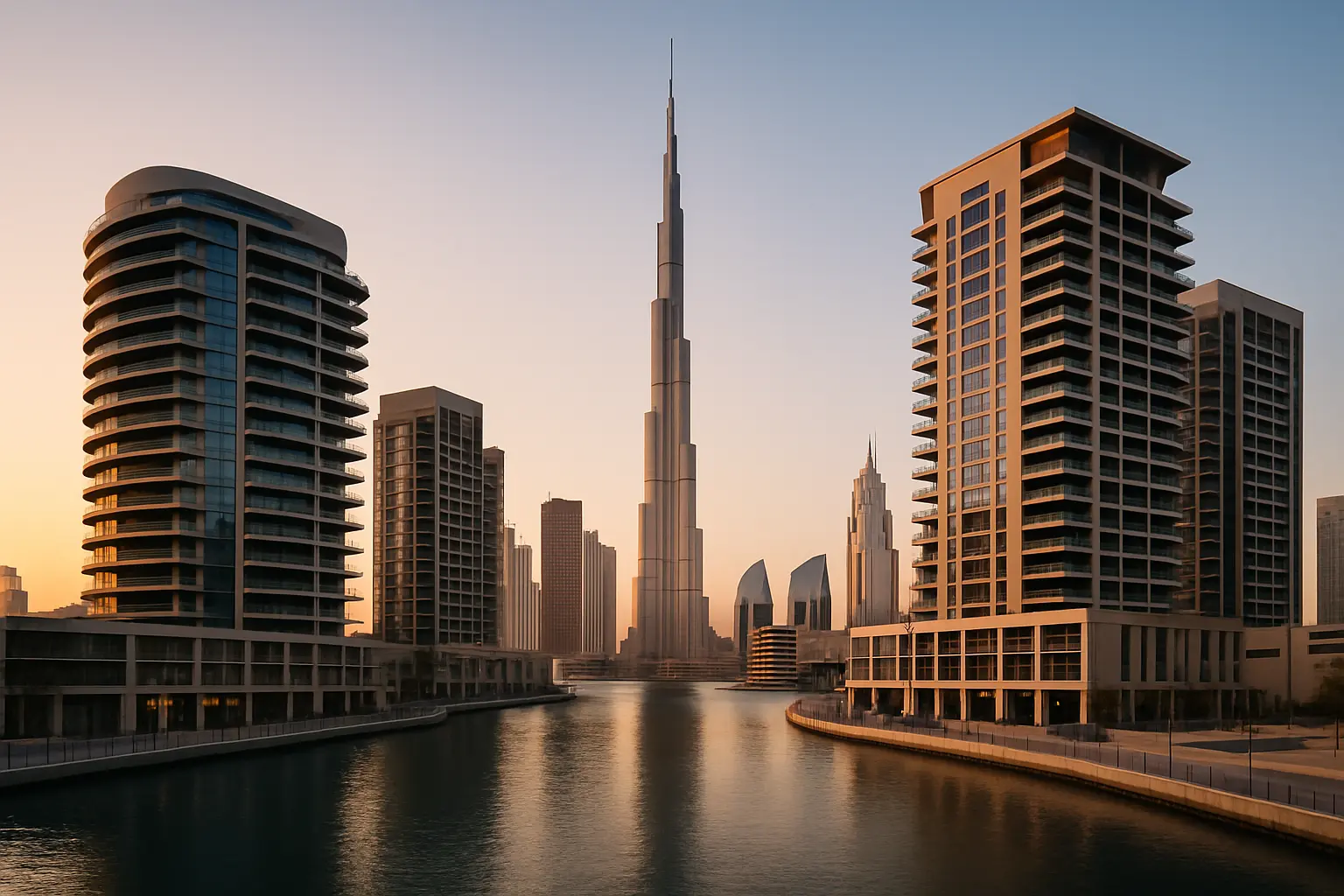
Dubai Creek Harbour is likely to attract significant attention because the Blue Line is expected to include an iconic station in the area. The waterfront community is already known for modern apartments, restaurants, promenades and views of Dubai Creek. A direct metro connection could make the neighborhood more accessible to residents and visitors while reducing dependence on road travel.
Improved access may also support the area’s future retail, hospitality and leisure activity. For buyers, the combination of waterfront living and planned public transport could strengthen the community’s appeal. However, property decisions should still consider service charges, handover schedules, building quality, views and the distance between individual buildings and the future station.
2. Dubai Festival City
Dubai Festival City is an established mixed-use destination with residential buildings, hotels, retail attractions, dining venues and waterfront facilities. Its location near the Blue Line’s Creek-side route could increase convenience for residents and workers while improving access to leisure destinations.
The area may particularly benefit from stronger visitor movement and easier connections to the Red and Green lines. Existing infrastructure gives Dubai Festival City an advantage over newer communities because residents can benefit from planned metro access alongside mature amenities, schools, supermarkets and entertainment options.
3. International City
International City is positioned at the center of the Blue Line network, with International City 1 expected to serve as a key interchange. This central position could make the community one of the route’s most significant beneficiaries.
The neighborhood is known for relatively accessible housing compared with many central Dubai districts. Better connections to Centrepoint, Creek, Dubai Silicon Oasis, Academic City and other areas could support rental demand among students, service-sector employees and professionals seeking value-oriented accommodation.
International City 2 and 3 are also included in the planned alignment. Residents should monitor the exact station locations, walking routes and feeder transport options because proximity to a station can vary considerably within a large community.
4. Dubai Silicon Oasis
Dubai Silicon Oasis combines residential communities, offices, technology businesses, schools and lifestyle facilities. A Blue Line connection could improve access for employees, students and residents while supporting the district’s role as a technology and innovation hub.
Better public transport may also broaden the pool of tenants who consider living in the area. Residents could find it easier to commute without a private vehicle, while employers may benefit from access to a wider workforce. Investors should compare apartment layouts, building age, amenities, service charges and proximity to commercial centers rather than relying only on the future metro announcement.
5. Dubai Academic City
Dubai Academic City is one of the clearest examples of a district that could gain from direct metro access. The area hosts higher education institutions and attracts students, faculty members and support staff. A connection to the wider metro network may make commuting more convenient for people travelling from different parts of Dubai.
The impact could extend to nearby rental communities. Properties that offer practical access to Academic City may become more attractive to students and staff, especially when combined with competitive rents and suitable transport links. Investors should assess whether a property is genuinely convenient for the relevant campus, as the Blue Line station may not eliminate the need for a short bus or taxi journey.
6. Mirdif
Mirdif is an established family-oriented community with villas, apartments, schools, parks and retail destinations. The Blue Line’s connection from Centrepoint through Mirdif could improve access to the Red Line and other parts of Dubai.
For families, the benefit may be less about immediate investment speculation and more about daily convenience. Easier access to employment centers, the airport and other neighborhoods could strengthen Mirdif’s long-term livability. Buyers should still consider road access, aircraft noise in specific locations, property condition and the availability of nearby schools and healthcare services.
7. Al Warqa
Al Warqa could be one of the most closely watched areas along the Centrepoint branch. The community includes villas, apartments and local amenities, and its future metro access could improve connectivity for residents who currently depend largely on private vehicles.
Improved transport can enhance an area’s appeal to tenants who want more affordable housing while remaining connected to major business and education districts. Since Al Warqa contains different residential pockets, comparing each property’s distance from the planned route and nearby road network will be essential.
8. Ras Al Khor and Al Jaddaf
Ras Al Khor is included in the Blue Line corridor and could see stronger links between industrial, commercial and residential activity. Better public transport may support workers and businesses in the area while improving access to nearby communities.
Al Jaddaf will benefit from its connection to Creek Interchange Station on the Green Line. The district has experienced significant residential and cultural development, and an additional connection could make it more attractive to commuters seeking access to both metro corridors and Dubai Creek destinations.
How could the Blue Line affect property decisions?
Metro expansion can influence a neighborhood in several ways. Improved accessibility may increase tenant interest, support retail activity and encourage new development. Properties near stations may become more convenient, but buyers should avoid assuming that every property in a connected district will experience the same result.
Timing is another factor. The planned opening is in 2029, so investors must consider the period before completion, construction impacts, possible changes to the route and the difference between announced plans and operational service. Rental yields, current demand, ownership rules, service charges and building quality remain important regardless of future infrastructure.
Comparing areas systematically can make the decision clearer. Mena Homes’ area comparison tool can help users review neighborhoods based on the factors that matter to their lifestyle or investment strategy. Buyers planning to finance a purchase can also explore the Mena Homes mortgage resources before estimating affordability and monthly payments.
What should residents and investors compare?
- Distance to the planned Blue Line station and the likely walking route.
- Access to existing metro, bus and road networks.
- Current rental demand and tenant profiles.
- Property prices, service charges and expected maintenance costs.
- Nearby schools, healthcare facilities, supermarkets and workplaces.
- Construction activity, handover timelines and neighborhood maturity.
- Potential travel time to airports, business districts and education hubs.
Final thoughts
The Dubai Metro Blue Line could benefit a broad group of neighborhoods, but the strongest advantages may emerge in areas that combine planned station access with affordable housing, established amenities or major employment and education destinations. Dubai Creek Harbour, International City, Dubai Silicon Oasis, Academic City, Mirdif and Al Warqa stand out for different reasons, while Dubai Festival City, Ras Al Khor and Al Jaddaf could gain from stronger integration with existing urban districts.
Future connectivity is valuable, but it should be evaluated alongside present-day fundamentals. A balanced comparison of price, location, rental demand, amenities and financing can help turn a major infrastructure announcement into a more informed property decision.
Compare these neighborhoods using Mena Homes' Compare Meter