
The real cost of living in Dubai in 2026 (honest expense breakdown)
Dubai remains one of the most desirable cities in the world for professionals, entrepreneurs, and families, but the question most people ask before making the move is simple: what does it actually cost to live here in 2026? The honest answer is that Dubai can be affordable for some lifestyles and expensive for others, depending on your housing choice, school fees, commuting habits, and day-to-day spending.
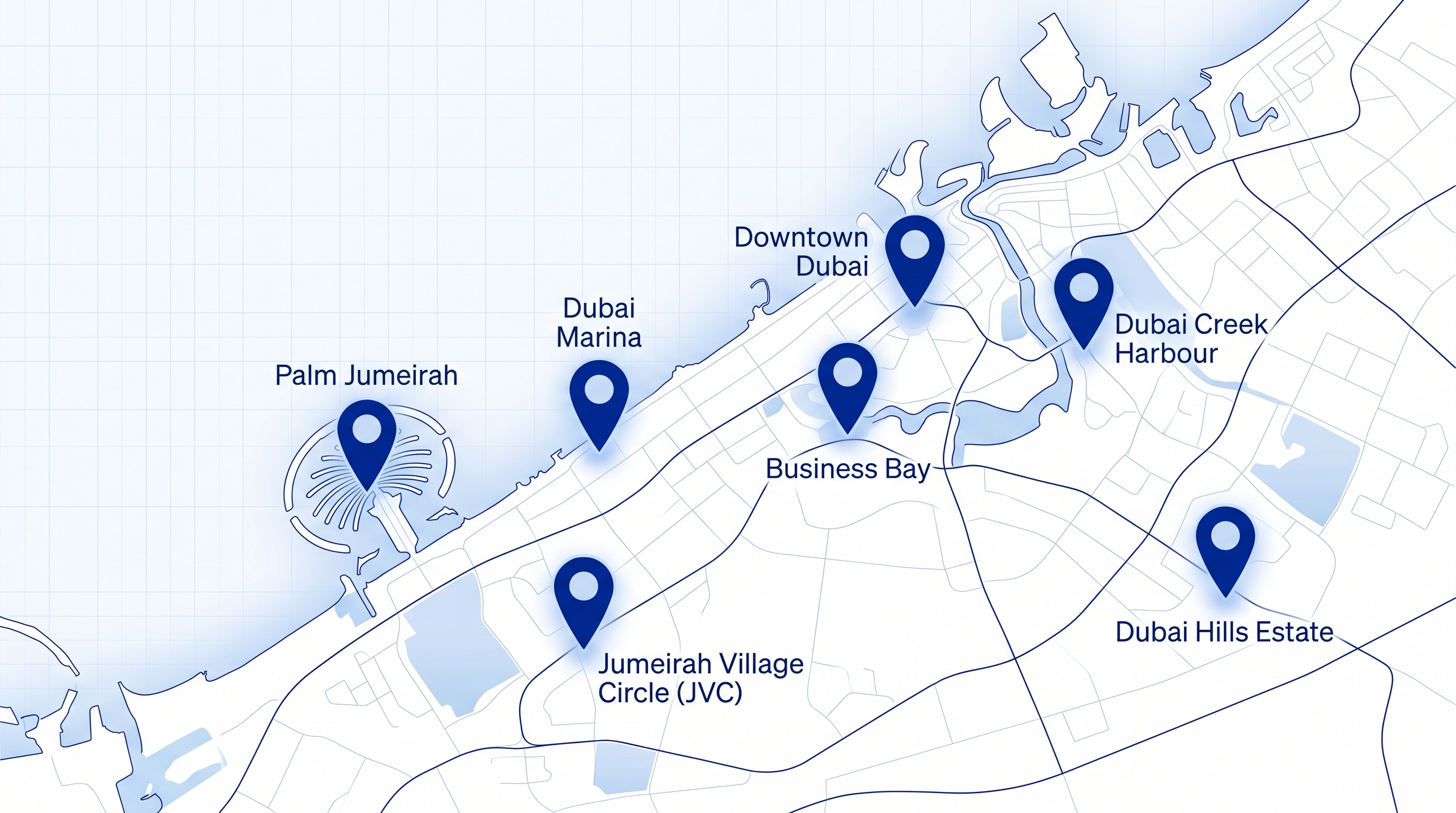
If you are planning a move, the smartest first step is to compare neighborhoods carefully. A family apartment in one community can cost dramatically less than a similar-sized home in another, and that difference affects your entire monthly budget. Tools like MENA Homes’ area comparison page can help you weigh rent, lifestyle, and convenience side by side before committing to a location.
In this guide, we break down the real cost of living in Dubai in 2026 across the categories that matter most: rent, utilities, groceries, transport, schooling, healthcare, entertainment, and property ownership. The goal is not to sell the dream, but to give you a realistic budget you can use to plan with confidence.
1. Housing is still the biggest monthly cost
For most residents, rent is the largest expense by far. In Dubai, your housing cost depends on location, building age, amenities, commute time, and whether you prefer a studio, apartment, townhouse, or villa. Central and lifestyle-driven districts tend to command the highest rents, while emerging and suburban communities often provide better value for larger space.
A single professional renting a studio or one-bedroom apartment may spend roughly AED 4,500 to AED 9,000 per month in many mid-market areas, while premium locations can push that number much higher. Families renting a two- or three-bedroom apartment often budget anywhere from AED 8,000 to AED 20,000 or more, depending on community and building quality. Villas can exceed that range quickly, especially in established neighborhoods with school access and community facilities.
Because rent varies so much, a neighborhood comparison is essential. Exploring different areas in Dubai on MENA Homes helps you see how lifestyle, access, and price line up before you sign a lease.
2. Utilities and cooling can add up faster than expected
Utilities in Dubai are more than just electricity and water. In many homes, especially apartments and villas, cooling is a major factor in monthly expenses. Summer air-conditioning can increase bills noticeably, particularly in larger homes or buildings with higher service charges.
A modest apartment may see monthly utility costs of around AED 500 to AED 1,200, while larger family homes can easily run from AED 1,200 to AED 2,500 or more depending on usage. Internet and mobile plans usually add another AED 300 to AED 700 per month for many households. If you work from home, expect that number to rise.
One useful rule of thumb: when budgeting for Dubai, do not focus on rent alone. Always add a realistic utilities buffer so you do not underestimate your total monthly outflow.
3. Groceries depend on your shopping style
Food costs in Dubai can be moderate or high depending on where you shop and how often you eat out. Imported brands, specialty health foods, and premium supermarket chains will raise your monthly bill quickly. On the other hand, careful shopping, bulk buying, and home cooking can keep costs reasonable.
A single person may spend around AED 800 to AED 1,800 on groceries each month, while a couple could spend AED 1,500 to AED 3,500. Family grocery budgets often range from AED 3,000 to AED 6,000 or more, especially if children are included or if the household prefers premium products.
Dining out is a separate category. Casual meals can be inexpensive, but regular restaurant use, coffee runs, and delivery orders can easily add several hundred to several thousand dirhams per month. For many households, food spending becomes one of the easiest areas to overshoot without noticing.
4. Transport costs vary by commute and car ownership
Dubai offers strong public transport options in many areas, but a large share of residents still rely on cars for convenience, especially families and professionals living outside the core metro zones. If you use public transport only, monthly costs can stay relatively low. Metro, bus, tram, and taxi combinations may range from AED 150 to AED 500 for some commuters.
Car owners should budget for fuel, parking, registration, insurance, maintenance, and occasional tolls. Fuel remains comparatively affordable by global standards, but the full ownership cost can still be meaningful. A basic monthly car budget might start around AED 800 to AED 1,500, while a larger vehicle or higher mileage can push the figure higher. Parking fees, especially in busy districts, can also surprise new residents.
For many movers, the smartest housing decision is one that balances rent against commute time. A slightly cheaper apartment far from work can end up costing more once transport is factored in.
5. School fees are a major consideration for families
Families moving to Dubai often discover that education is one of the largest annual costs in the household budget. School fees vary widely based on curriculum, reputation, facilities, and location. Some schools are relatively accessible, while premium international schools can be extremely expensive.
Annual tuition can range from around AED 15,000 to AED 60,000 for many schools, with top-tier institutions climbing much higher. Once you add registration fees, uniforms, transportation, activities, and books, the real education cost can exceed the advertised tuition. For families with multiple children, this category can rival housing as the biggest budget line.
This is why choosing the right community matters so much. Living near a suitable school can reduce commute stress and sometimes transport costs, even if the rent is a little higher.
6. Healthcare is manageable, but insurance matters
Healthcare in Dubai is widely available, but most residents rely on health insurance for everyday protection. Employer-provided insurance can reduce out-of-pocket costs significantly, while self-funded plans vary in price and coverage. Depending on age, benefits, and pre-existing conditions, annual premiums can differ considerably.
For households planning independently, it is wise to budget for premiums, co-payments, and occasional consultations. Routine doctor visits are often manageable, but specialist treatment, dental care, and certain prescriptions can increase total spending if you do not have a strong policy.
In practical terms, healthcare may not be your largest monthly bill, but it should never be ignored in a true cost-of-living calculation.
7. Entertainment and lifestyle spending can stretch any budget
Dubai is famous for its malls, beach clubs, dining scene, fitness studios, and weekend activities. This lifestyle is a major draw for many residents, but it is also where budgets can quietly expand. Gym memberships, brunches, cinema outings, kids’ activities, and social events all contribute to the final monthly number.
A modest lifestyle might keep entertainment spending below AED 1,000 per month, while a more social or premium lifestyle can reach AED 3,000 to AED 8,000 or more. There is no single “right” amount here. The key is to separate necessities from lifestyle choices so your expectations stay realistic.
8. Renting vs buying in Dubai: what changes in 2026?
For many residents, the decision is not just about rent versus mortgage; it is about long-term stability, monthly cash flow, and how long they plan to stay in the city. Buying a home can offer predictability and a hedge against rising rents, but it also introduces upfront costs such as down payment, fees, and maintenance planning.
If you are considering ownership, a mortgage comparison can be a useful starting point. Mena Homes’ mortgage comparison page helps buyers compare home loan offers side by side and understand how rates and monthly payments may affect affordability. That is especially helpful in 2026, when even a small change in financing terms can alter the total monthly budget significantly.
For buyers, the real cost of living is not just the mortgage payment. It also includes service charges, maintenance reserves, insurance, and furnishing expenses. In some cases, the monthly ownership cost can be close to renting; in others, it can be a better long-term financial move depending on the property and down payment.
9. Sample monthly budgets for Dubai in 2026
To make the numbers more practical, here are three simplified lifestyle snapshots. These are not fixed rules, but they help illustrate how different choices change the final total.
- Single professional: Rent AED 6,000, utilities AED 900, groceries AED 1,200, transport AED 700, lifestyle AED 1,000 = around AED 9,800 per month.
- Couple: Rent AED 10,000, utilities AED 1,200, groceries AED 2,500, transport AED 1,200, lifestyle AED 2,000 = around AED 16,900 per month.
- Family of four: Rent AED 15,000, utilities AED 1,800, groceries AED 4,500, transport AED 2,000, school fees averaged monthly AED 6,000, lifestyle AED 2,500 = around AED 31,800 per month.
These figures can move up or down dramatically depending on the community you choose, your school choices, and whether you rent or own.
10. How to reduce your real cost of living in Dubai
The best way to manage your budget in Dubai is to optimize the expenses that have the biggest impact. That usually means choosing the right area, avoiding unnecessary commute costs, comparing mortgage offers carefully if you plan to buy, and setting a realistic monthly lifestyle limit.
- Compare communities before choosing a lease or purchase.
- Prioritize commute time as well as rent.
- Review utility expectations for your building type.
- Shop groceries strategically and control delivery spend.
- Consider school access early if you have children.
- Compare financing options before buying a property.
For many residents, the biggest savings come not from cutting small daily treats, but from making better housing decisions upfront.
Final thoughts
The real cost of living in Dubai in 2026 depends on your lifestyle, but the city is best understood as a place where housing drives the budget and everything else flows from that decision. A single professional can live comfortably on a moderate income if housing is well chosen, while families need a much more detailed plan because rent, schools, and transport can quickly create a large monthly commitment.
If you are planning a move or a property purchase, start by comparing neighborhoods and financing options early. Use area comparison tools to shortlist communities, and review mortgage options if buying fits your long-term plan. With the right planning, Dubai can be both aspirational and financially manageable.