Dubai Metro Blue Line: Best Neighborhoods for Car-Free Living
Dubai is making it easier to live, work, study, and explore the city without depending on a private car. The planned Dubai Metro Blue Line will connect several established and emerging districts, creating new opportunities for residents who value public transport, shorter journeys, and walkable daily routines.
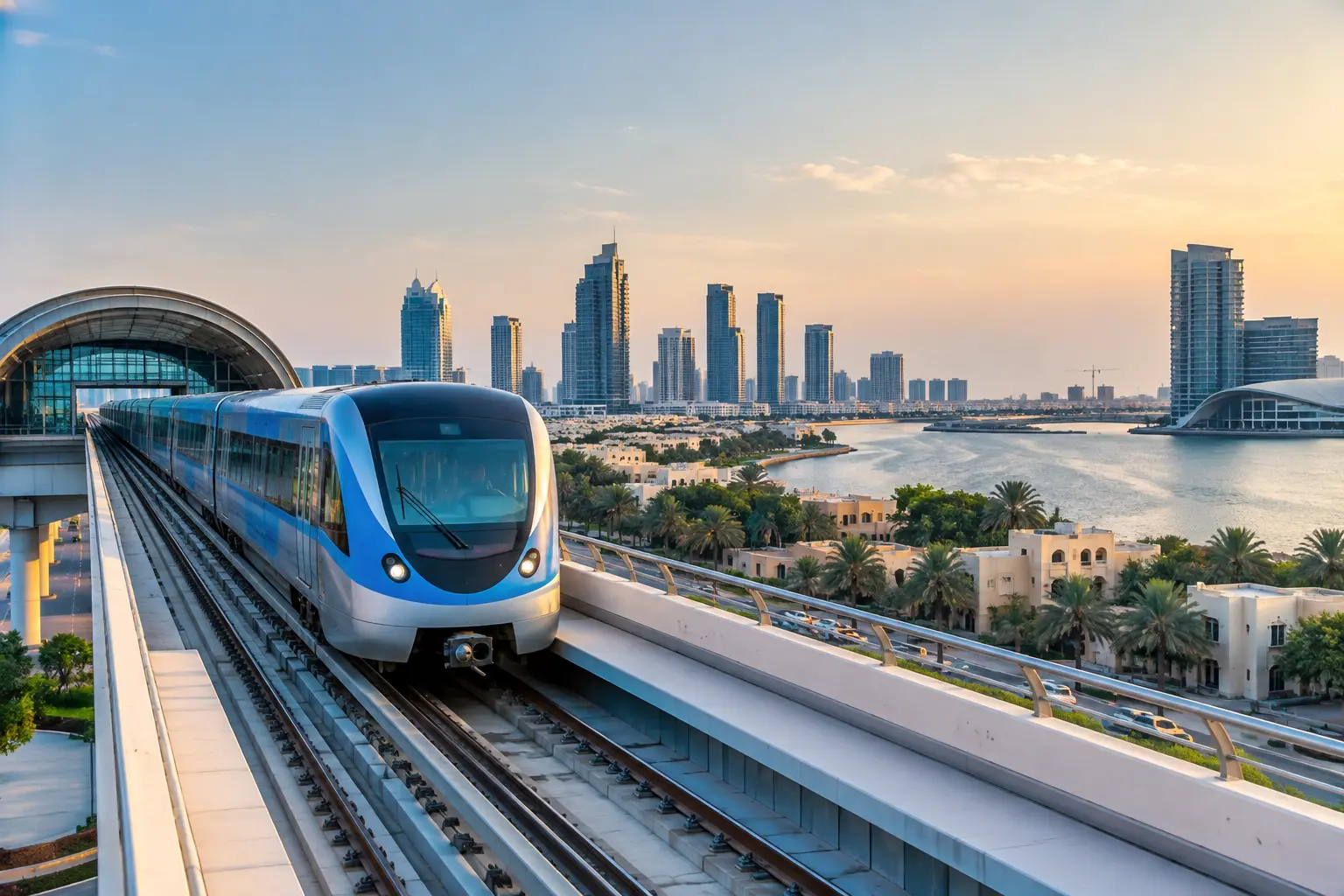
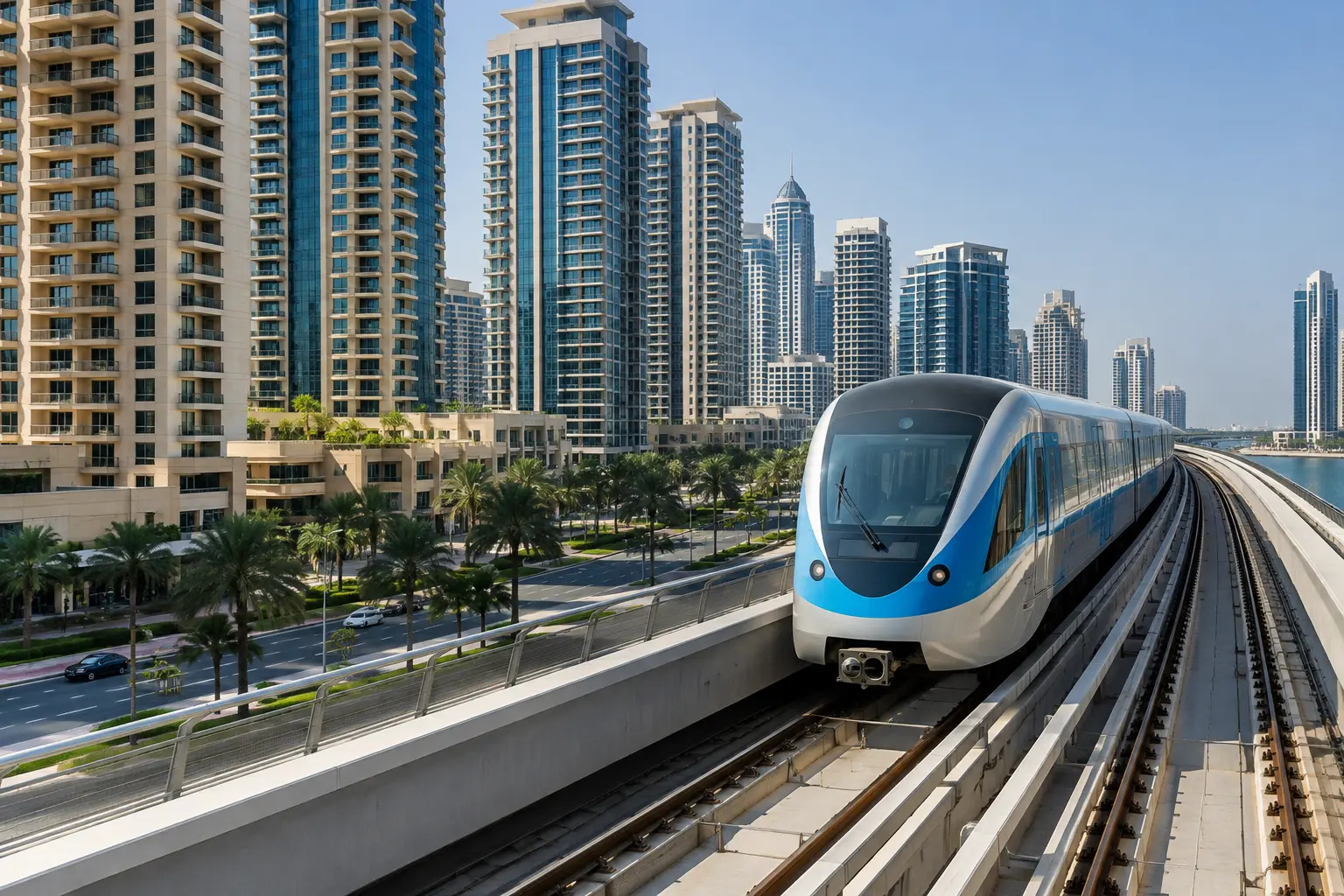
Scheduled for completion in 2029, the Blue Line will span approximately 30 kilometres and include 14 stations. It will connect with the existing Red and Green Lines through interchange stations, linking communities such as Dubai Creek Harbour, Dubai Festival City, Ras Al Khor, International City, Dubai Silicon Oasis, Academic City, Mirdif, and Al Warqa. The route is also planned to provide direct connections towards Dubai International Airport.
For renters, buyers, students, and investors, proximity to a future Metro station can be an important factor when comparing Dubai communities. However, car-free living depends on more than rail access. Residents should also consider shops, schools, workplaces, parks, healthcare, pedestrian routes, and the availability of taxis and buses.
Why the Blue Line matters for car-free living
The Blue Line is designed to improve connections between residential, educational, commercial, and leisure districts in eastern and central Dubai. Its interchange points will allow passengers to transfer to the existing Metro network instead of relying on a car for cross-city travel.
This could make everyday journeys more predictable for people commuting to offices, universities, shopping destinations, and the airport. It may also increase the appeal of neighborhoods that have historically been more dependent on private vehicles. As with any infrastructure project, station locations, walking distances, construction progress, and final operating details should be checked before making a property decision.
1. Dubai Creek Harbour
Dubai Creek Harbour is one of the most promising choices for residents seeking a modern waterfront lifestyle with future Metro connectivity. The community is planned around residential towers, promenades, retail spaces, restaurants, and public areas. Its location near Dubai Creek gives residents access to attractive walking routes and a strong sense of place.
The Blue Line is planned to pass through Dubai Creek Harbour after connecting from the Green Line interchange at Al Jaddaf. For residents who work in other parts of Dubai, this could make transfers and city-wide journeys more convenient. The neighborhood may appeal particularly to professionals, couples, and families who want contemporary apartments and waterfront amenities without being entirely dependent on a car.
Before renting or buying, compare the distance between a specific building and the planned station, as well as the availability of supermarkets, schools, and everyday services within walking distance.
2. Dubai Festival City
Dubai Festival City combines residential buildings, retail, dining, hospitality, and entertainment facilities in one large mixed-use district. This combination makes it a natural candidate for car-free living because residents can complete many leisure and shopping trips locally.
The Blue Line is expected to connect Dubai Festival City with other communities on the route. Improved public transport access could benefit residents commuting to Al Jaddaf, International City, Dubai Silicon Oasis, Academic City, and destinations connected through the wider Metro network.
For families and professionals, the main advantage is the potential to combine local amenities with regional connectivity. A home near retail and transit services may also reduce the need for frequent short car journeys, although residents should assess pedestrian comfort during warmer months and the exact walking route from their building.
3. International City
International City is set to become one of the most connected districts on the Blue Line. The project plans include an interchange station in International City 1, with additional stations serving International City 2 and 3. This position could make the area particularly attractive to residents who want access to multiple parts of Dubai.
The community offers a broad range of apartments and distinctive residential clusters, often attracting tenants looking for comparatively accessible housing options. Students, young professionals, and households seeking practical accommodation may find the area worth considering as Metro connectivity develops.
International City is also positioned between several important destinations on the planned route. Residents may benefit from easier journeys towards Dubai Creek Harbour, Ras Al Khor, Dubai Silicon Oasis, Academic City, Mirdif, and Al Warqa. When comparing properties, look beyond the district name and evaluate the building’s actual relationship to the planned station, nearby bus stops, supermarkets, clinics, and schools.
4. Dubai Silicon Oasis
Dubai Silicon Oasis is a strong option for professionals, entrepreneurs, and families who want to live near a growing technology and business district. The area includes residential towers, villas, offices, schools, retail outlets, restaurants, and community facilities.
The Blue Line is planned to continue from International City towards Dubai Silicon Oasis and Academic City. This could improve access for residents working locally while also creating easier connections to other parts of Dubai. The area’s mix of employment and residential uses is especially useful for people trying to shorten their daily commute.
Car-free living in Dubai Silicon Oasis will depend on the final station placement and the quality of pedestrian links between residential clusters and transit facilities. Buildings close to supermarkets, cafés, schools, and offices may offer a more convenient lifestyle than properties that require a taxi for every local trip.
5. Academic City
Academic City is a natural choice for students, university staff, and education-sector professionals. The planned Blue Line extension is expected to reach Dubai Academic City, strengthening connections to residential communities such as International City and Dubai Silicon Oasis.
Improved rail access could reduce the need for students to use private cars or arrange daily transport. It may also make education campuses more accessible to residents living elsewhere in Dubai. For students choosing accommodation, the most practical options may be properties that combine Metro access with nearby groceries, affordable dining, laundry services, and study-friendly spaces.
Parents and university staff should also consider travel time, evening transport availability, and the distance between campus entrances and the station. A Metro connection can be valuable, but the complete journey still includes the walk at both ends.
6. Mirdif
Mirdif offers a quieter, established residential environment with villas, apartments, parks, schools, and local shopping. The Blue Line’s planned connection through Mirdif could make the community more attractive to families and residents who prefer a suburban atmosphere while retaining access to Dubai’s wider transport network.
The neighborhood is also close to Dubai International Airport, making it relevant for frequent travellers and aviation professionals. Improved links towards International City and the existing Red Line interchange at Centrepoint may support commuting across the city.
Mirdif’s suitability for car-free living will vary by sub-community. Residents should prioritize homes near planned stations, bus routes, supermarkets, schools, and community parks. Those living farther from transit may still need taxis or ride-hailing services for short journeys.
7. Al Warqa
Al Warqa is another family-oriented area expected to benefit from the Blue Line. The route is planned to pass through Al Warqa between Mirdif and International City, bringing a future rapid-transit option to a district known for villas, local services, and a residential feel.
For households considering Al Warqa, the Blue Line could improve access to schools, workplaces, shopping destinations, and other Metro-connected districts. The community may suit residents who want more space than central apartment neighborhoods while still planning for a less car-dependent future.
Because Al Warqa includes low-rise and spread-out areas, walking distance will be especially important. Check whether a prospective property is close to a station, bus stop, shaded paths, retail services, and safe pedestrian crossings.
How to compare Blue Line neighborhoods
Choosing the best neighborhood depends on lifestyle, budget, commute, and property type. Use these questions when comparing options:
- How close is the property to the planned Blue Line station?
- Can groceries, pharmacies, cafés, and other essentials be reached on foot?
- Where are the nearest schools, nurseries, clinics, and parks?
- How easily can residents transfer to the Red or Green Line?
- What is the expected commute to work, university, or the airport?
- Is the property suitable for renting, buying, or long-term investment?
- Will construction activity affect access, noise, or road movement before completion?
A structured comparison can make the decision easier. Mena Homes’ area comparison tool can help residents review neighborhoods side by side. Buyers should also review financing considerations and explore the available mortgage resources before committing to a purchase.
Plan for the future, but verify today’s lifestyle
The Dubai Metro Blue Line could reshape the appeal of several communities by improving connections between homes, workplaces, campuses, and leisure destinations. Dubai Creek Harbour, Dubai Festival City, International City, Dubai Silicon Oasis, Academic City, Mirdif, and Al Warqa each offer different advantages for car-free living.
Still, a future station should complement—not replace—a careful review of current amenities. Compare the full journey, including walking routes, transfers, buses, taxis, and daily errands. Check official project updates and confirm the latest property and station information before making a decision.
Compare these neighborhoods using Mena Homes' Compare Meter and find the community that best matches your lifestyle, commute, and property goals.