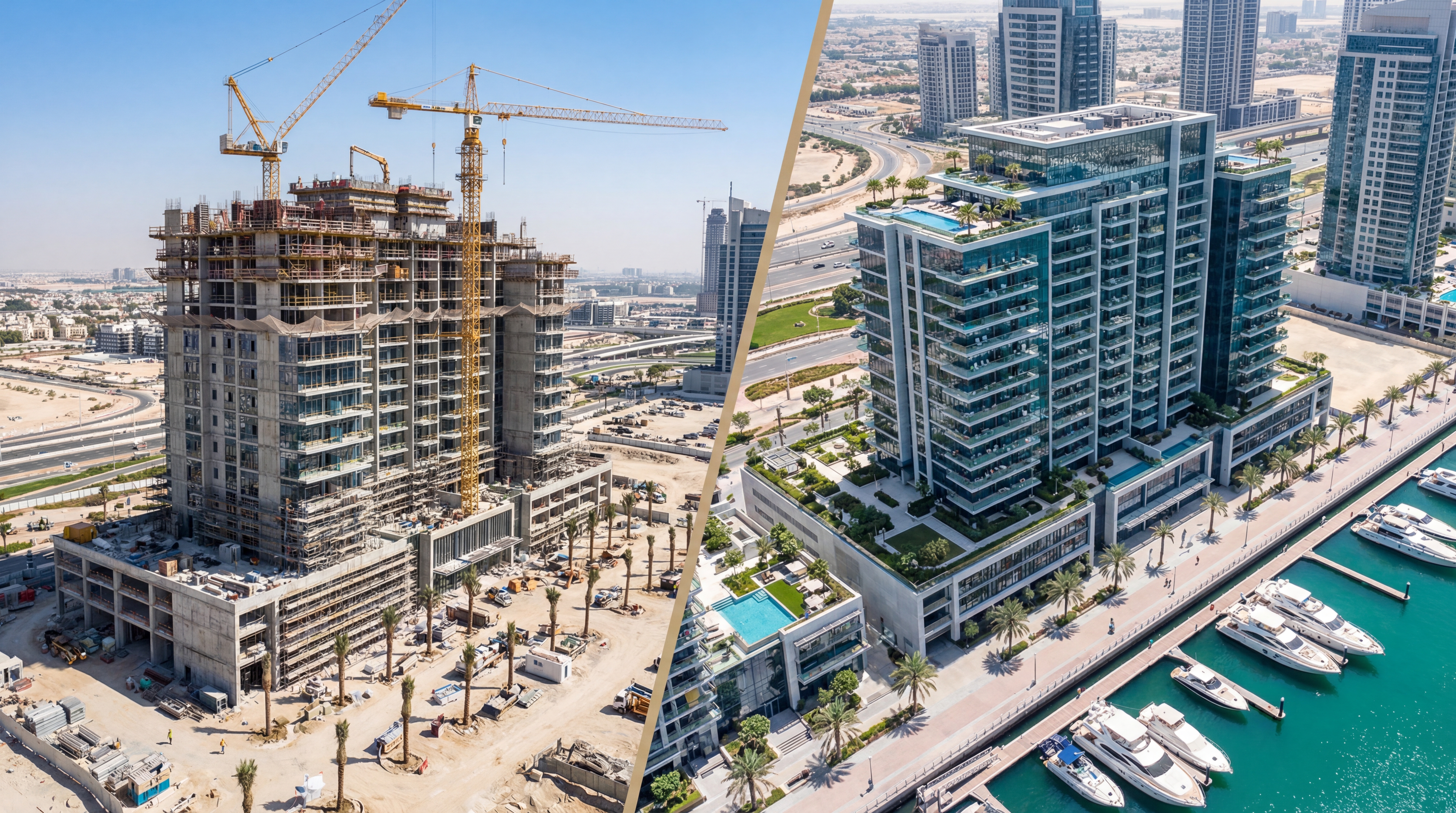

Mainland vs Free Zone Business Setup in Dubai: Key Differences
Dubai remains one of the most attractive business destinations in the region because it offers a stable economy, world-class infrastructure, and a highly supportive environment for entrepreneurs. For founders planning a new venture, one of the first and most important decisions is choosing between a mainland company and a free zone company. This choice affects everything from ownership and licensing to office requirements, customer reach, and expansion potential.
Understanding Mainland vs Free Zone Business Setup in Dubai: Key Differences is essential before committing capital, signing leases, or applying for licences. Each structure serves a different business model, and the right choice depends on your target market, budget, and long-term growth plans. For readers also comparing lifestyle and investment locations in Dubai, Mena Homes offers useful property insights such as area comparison tools and financing information like the mortgage guide, which can be helpful when aligning business and property decisions.
What Is a Mainland Company in Dubai?
A mainland company is licensed by the relevant Dubai or UAE economic authority and can operate freely across the local market. It can trade with customers anywhere in the UAE and, depending on the licence activity, can also work with government entities and open offices in multiple locations. This flexibility makes the mainland structure appealing to businesses that want direct access to the broader local market.
Mainland businesses are often preferred by service providers, retailers, consultancies, contractors, and companies that need to deal with clients throughout Dubai and the rest of the UAE. In practical terms, a mainland setup offers fewer geographical restrictions and greater operational freedom.
What Is a Free Zone Company in Dubai?
A free zone company is established within a designated economic zone that has its own regulatory framework. Free zones were created to encourage foreign investment by offering streamlined incorporation, business-friendly administration, and sector-specific benefits. Many free zones in Dubai focus on industries such as media, technology, logistics, finance, and trade.
Businesses in free zones usually benefit from simplified setup procedures and attractive incentives. However, they are generally intended to operate within the free zone, with specific rules governing business activity outside the zone or in the UAE mainland market. For companies whose clients are primarily international or based within the same free zone, this can be an efficient and cost-effective option.
Mainland vs Free Zone Business Setup in Dubai: Key Differences
The biggest differences between mainland and free zone setups come down to market access, ownership structure, office requirements, regulatory oversight, and scalability. Below is a closer look at each factor.
1. Market Access
Mainland companies can conduct business anywhere in the UAE and are generally better suited for businesses that want direct access to local consumers and corporate clients. They can open branches in different emirates and serve the domestic market without the same limitations faced by free zone companies.
Free zone companies, by contrast, are typically restricted to operating within their zone or conducting business internationally, unless they appoint a local distributor or take additional steps to access the mainland market. For export-focused firms, online businesses serving overseas clients, or companies working mainly inside a free zone ecosystem, this can still be an excellent fit.
2. Ownership Structure
One of the strongest attractions of free zone setup is the ability for foreign investors to enjoy 100% ownership. This has made free zones a popular choice for international founders who want a fully controlled structure with a straightforward incorporation process.
Mainland business formation has evolved significantly, and many activities now also allow full foreign ownership. However, the permitted ownership structure can depend on the business activity and licensing requirements. Because rules may vary by sector, investors should always confirm the latest activity-specific regulations before deciding.
3. Office Requirements
Mainland companies usually need a physical office or workspace arrangement that complies with licensing rules. The size and type of office depend on the business activity and the number of visas required. This requirement can increase initial costs but may also provide a stronger operational base and a more established market presence.
Free zones often offer more flexible workspace solutions, including flexi-desks, shared offices, and package-based options. This makes them especially attractive for startups, solo entrepreneurs, and small teams that want to reduce overhead while remaining compliant.
4. Visa Eligibility
Both mainland and free zone companies can sponsor visas, but the number of visas available and the process for obtaining them may differ. Mainland companies may have more room to scale visa allocations based on office size and business needs. This can be beneficial for growing teams.
Free zone visa quotas are often linked to the selected package or workspace arrangement. For small businesses, this can be enough; for larger teams, visa limits may need to be assessed carefully before finalising the setup.
5. Licensing and Regulation
Mainland businesses are governed by the relevant economic departments and other applicable authorities depending on the activity. This structure offers broad flexibility but may require more coordination when dealing with multiple approvals, inspections, or specific sector permits.
Free zones manage registration through their own authorities, which often results in a faster and more centralised setup process. Many founders appreciate this simplicity, especially when speed to market is a priority. That said, each free zone has its own rules, pricing, and permitted activities, so the quality of service can vary by jurisdiction.
6. Cost Considerations
Cost is one of the most important factors for startups and SMEs. Free zone packages often appear more affordable at the entry level because they may bundle licence fees, workspace options, and visa quotas into fixed packages. This can make budgeting easier for new businesses.
Mainland setups can require higher upfront spending depending on office size, licensing requirements, and other operational needs. However, the added flexibility and wider market access may justify the cost for businesses targeting local customers or expecting rapid expansion.
7. Business Expansion
If long-term expansion across the UAE is part of the plan, mainland companies often have an advantage because they can scale directly into the domestic market. They can also better support sales teams, retail locations, and on-the-ground service delivery.
Free zone businesses can still expand successfully, especially when their growth is tied to international trade, digital services, or a niche industry ecosystem. For some companies, a free zone is the ideal launchpad before later restructuring into a mainland presence.
Which Setup Is Better for Your Business?
The answer depends on your business model. A mainland setup is often better if you want to trade freely across Dubai and the UAE, work with government clients, or open a physical customer-facing business. It is also a stronger fit for businesses that need operational flexibility and broader commercial reach.
A free zone setup is usually better if you value lower entry costs, simplified administration, 100% foreign ownership, and a structure designed for international trade or niche industry services. It can be especially appealing to startups, consultants, e-commerce sellers, and companies with limited local-market exposure.
In short, the best choice is not about which structure is universally better. It is about which one matches your business goals, customer base, staffing plans, and budget. Entrepreneurs should evaluate where their revenue will come from, whether they need a physical office, how many visas they require, and whether they plan to sell directly within the UAE.
Common Mistakes to Avoid
Many founders rush into incorporation without fully understanding the restrictions of each structure. A common mistake is choosing a free zone because it appears cheaper, only to later discover that the business needs extensive mainland trading access. Another mistake is selecting a mainland setup without factoring in office costs and visa requirements.
It is also important not to assume that all free zones are the same. Each zone has its own licence categories, package structures, compliance rules, and renewal fees. Likewise, mainland requirements can differ by activity, so professional guidance is often necessary to avoid delays or unexpected costs.
Final Thoughts
Choosing between mainland and free zone company formation is one of the most strategic decisions an entrepreneur can make in Dubai. The mainland model offers greater access to the local market and more operational flexibility, while the free zone model provides cost efficiency, simplicity, and attractive ownership advantages. The right structure depends on your business priorities today and your growth plans for tomorrow.
If you are still weighing your options, compare your market access needs, projected hiring plans, and startup budget before making a final decision. A clear understanding of Mainland vs Free Zone Business Setup in Dubai: Key Differences will help you build a structure that supports sustainable growth from the very beginning.