How is it really like living in Dubai as a foreigner?
Living in Dubai as a foreigner is often described as a mix of convenience, opportunity, and cultural diversity. For many newcomers, the city feels modern and highly organized, with international schools, world-class healthcare, efficient roads, and a lifestyle built around global professionals.
At the same time, Dubai is not a “one-size-fits-all” city. The experience depends on your budget, profession, family situation, and expectations. Some foreigners come for career growth, others for tax advantages, and many for the chance to live in a safe, dynamic, and cosmopolitan environment. If you are wondering how is it really like living in Dubai as a foreigner?, the answer is that it can be highly rewarding, but only if you understand the realities of cost, housing, culture, and day-to-day living.
What Dubai feels like for newcomers
Dubai is one of the most international cities in the world, which makes settling in easier for many foreigners. English is widely spoken in business, retail, hospitality, and residential communities, so daily tasks such as shopping, banking, and commuting are usually straightforward. Many expats say the city feels welcoming because people from dozens of nationalities live and work there.
The city is also known for its speed. New projects appear constantly, roads are well maintained, and services are typically digital-first. That convenience is one of the biggest lifestyle advantages. However, the pace can feel intense if you are used to quieter, more traditional cities.
Housing: the biggest decision for expats
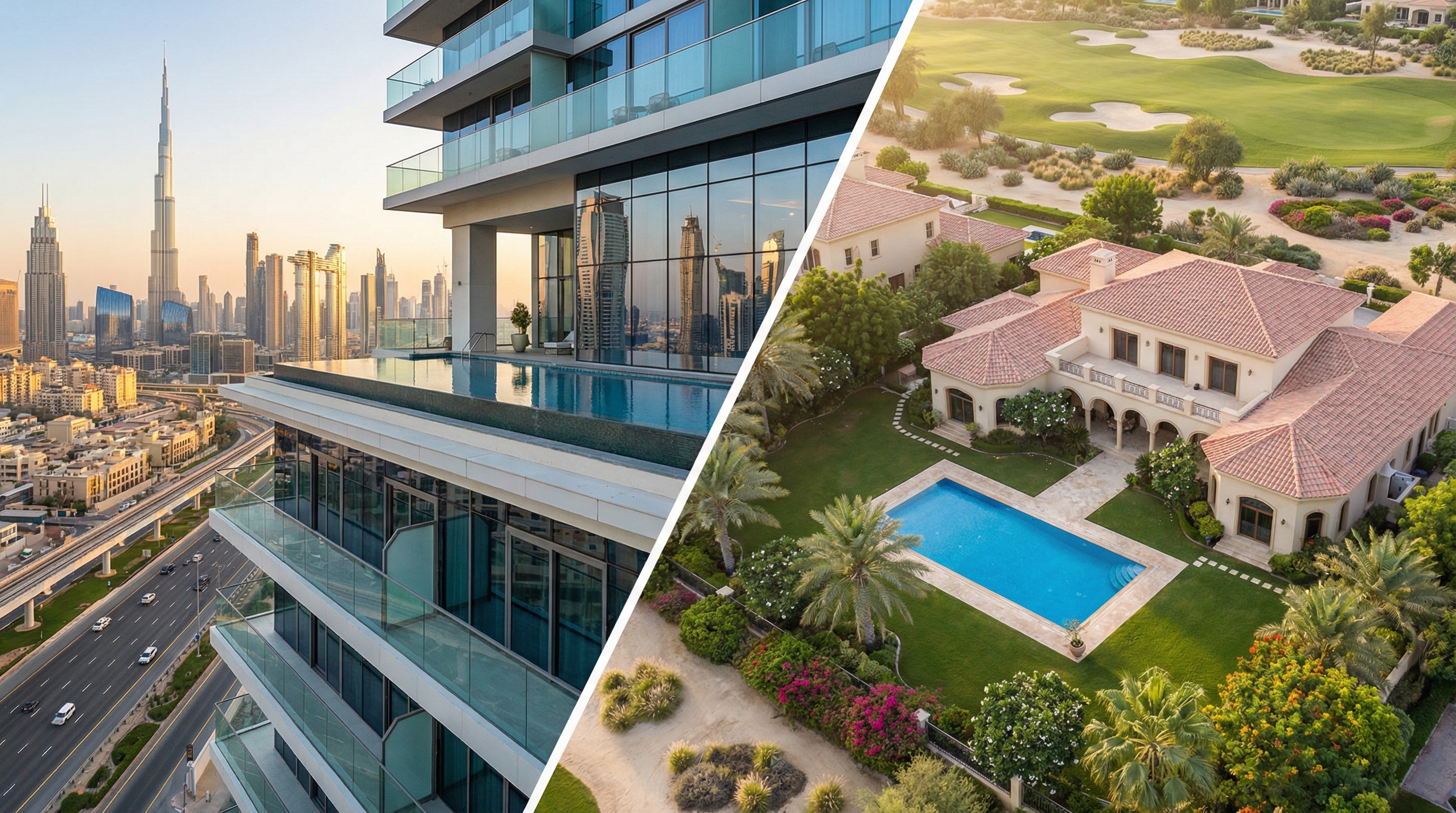
Housing will likely be your largest monthly expense, so choosing the right area matters. Dubai offers everything from affordable apartment communities to luxury waterfront villas, and the right choice depends on your commute, lifestyle, and family needs.
Foreigners can rent freely in many areas, and in designated zones, they can also buy property. If you are comparing neighborhoods, tools such as Mena Homes area comparison can help you weigh factors like price, community style, and nearby amenities before making a decision.
Popular choices vary widely. Young professionals often prefer central apartment districts with easy metro access, while families may look for quieter villa communities with parks, schools, and larger homes. For buyers, it is also important to understand financing options early in the process. A useful starting point is Mena Homes mortgage guide, which can help foreign buyers explore borrowing possibilities in the UAE market.
Cost of living: comfortable, but not always cheap
Dubai is often seen as tax-friendly because there is no personal income tax, but that does not automatically make it inexpensive. Rent, school fees, private healthcare, car ownership, and entertainment can add up quickly. Many foreigners find that the city offers excellent value if they earn a competitive salary, while others feel pressure if their income does not match the lifestyle they want.
Typical monthly budgets vary a lot, but the biggest factors are housing and education. A single professional may be able to live comfortably in a smaller apartment and use public transport, while a family with school-going children will need a much larger budget.
Food costs can be manageable if you mix supermarket shopping and casual dining, though imported products tend to be expensive. On the positive side, Dubai offers a broad range of price points, so you can choose between budget-friendly and premium versions of most services.
Work and career life
For many foreigners, Dubai is attractive because of career opportunities in finance, technology, tourism, logistics, construction, retail, media, and real estate. The city hosts regional headquarters for many global companies, and its business environment is designed to support international talent.
Work culture is generally professional and fast-moving. Deadlines matter, communication is often direct, and networking plays a major role in career growth. Many expats appreciate that Dubai rewards ambition and can open doors quickly if you have the right skills and experience.
That said, employment conditions vary by employer. Contract terms, salary structure, housing allowances, health insurance, and annual leave should all be reviewed carefully before accepting a role.
Culture: modern, diverse, and rooted in local values
One of the most important parts of living in Dubai as a foreigner is understanding that it is a modern city within a traditional country. The city is highly international, but it still follows UAE laws and cultural norms. Respect for local customs is expected in public and professional settings.
Dress codes are generally relaxed in many places, but modest clothing is appreciated in government offices, mosques, and family-oriented settings. Public behavior should remain respectful. During Ramadan, for example, eating, drinking, or smoking in public during daylight hours is restricted in many contexts.
Foreigners who adapt to these expectations usually find daily life smooth and respectful. The key is not to compare Dubai too directly with your home country, but to appreciate the balance it offers between global convenience and local tradition.
Social life and community
Making friends in Dubai is often easier than in many large cities because so many residents are newcomers themselves. People tend to be open to meeting others through work, gyms, hobby groups, sports clubs, school communities, and social events. Because the population is so international, you are likely to encounter a mix of cultures in your everyday life.
At the same time, many expats note that friendships can be somewhat transient. Because people often relocate after a few years, social circles may change frequently. Building a stable network takes effort, but the city offers many opportunities to do so.
Transport and getting around
Dubai has excellent roads and a growing public transport network. The metro is clean, modern, and useful for certain routes, while buses, taxis, and ride-hailing apps are widely available. Still, many foreigners prefer to own a car because some neighborhoods are easier to access by road than by transit.
If you choose where to live carefully, commuting can be simple and stress-free. Living close to work or near a metro station can make a major difference in day-to-day convenience.
Healthcare and safety
Foreigners generally find Dubai very safe and orderly. Street crime is low compared with many major cities, and public areas are usually well maintained. This sense of safety is one reason families and solo professionals alike are attracted to the city.
Healthcare is another major plus. Dubai has a strong private healthcare sector with modern hospitals, clinics, and specialists. Most residents rely on employer-provided health insurance or private coverage, so understanding your plan is essential before you settle in.
Schools and family life
Families living in Dubai often value the wide choice of international schools, extracurricular activities, and family-focused communities. However, school fees can be significant, so education is one of the most important budget considerations for parents.
Many residential areas are designed with families in mind, offering parks, playgrounds, community pools, and nearby retail. For this reason, choosing the right neighborhood matters just as much as finding the right home.
Pros and cons of living in Dubai as a foreigner
- Pros: Safety, modern infrastructure, tax advantages, international community, and strong career opportunities.
- Pros: Clean public spaces, high-quality healthcare, and many lifestyle choices across different budgets.
- Cons: High rent in desirable areas, school fees, summer heat, and the need to adapt to local laws and customs.
- Cons: Friendships and work networks may change often because of the city’s transient population.
Is Dubai a good place for foreigners to live?
For many people, the answer is yes. Dubai works especially well for professionals, entrepreneurs, families, and remote workers who value safety, convenience, and an international lifestyle. It rewards careful planning, particularly when it comes to housing and budgeting.
If you want a city with strong infrastructure, global connectivity, and a high standard of living, Dubai can be an excellent fit. If you prefer a slower pace, lower housing costs, and a more familiar cultural environment, it may take time to adjust.
Final thoughts
So, how is it really like living in Dubai as a foreigner? It is modern, comfortable, and full of opportunity, but it also requires practical planning and cultural awareness. The best experience usually comes from choosing the right neighborhood, understanding the cost of living, and respecting local norms from the beginning.
Whether you are renting your first apartment or considering a long-term move, Dubai offers many possibilities for foreigners who are prepared. With the right area, the right budget, and the right expectations, living here can feel both exciting and sustainable.