Dubai Metro Blue Line: Best Neighborhoods for Car-Free Living
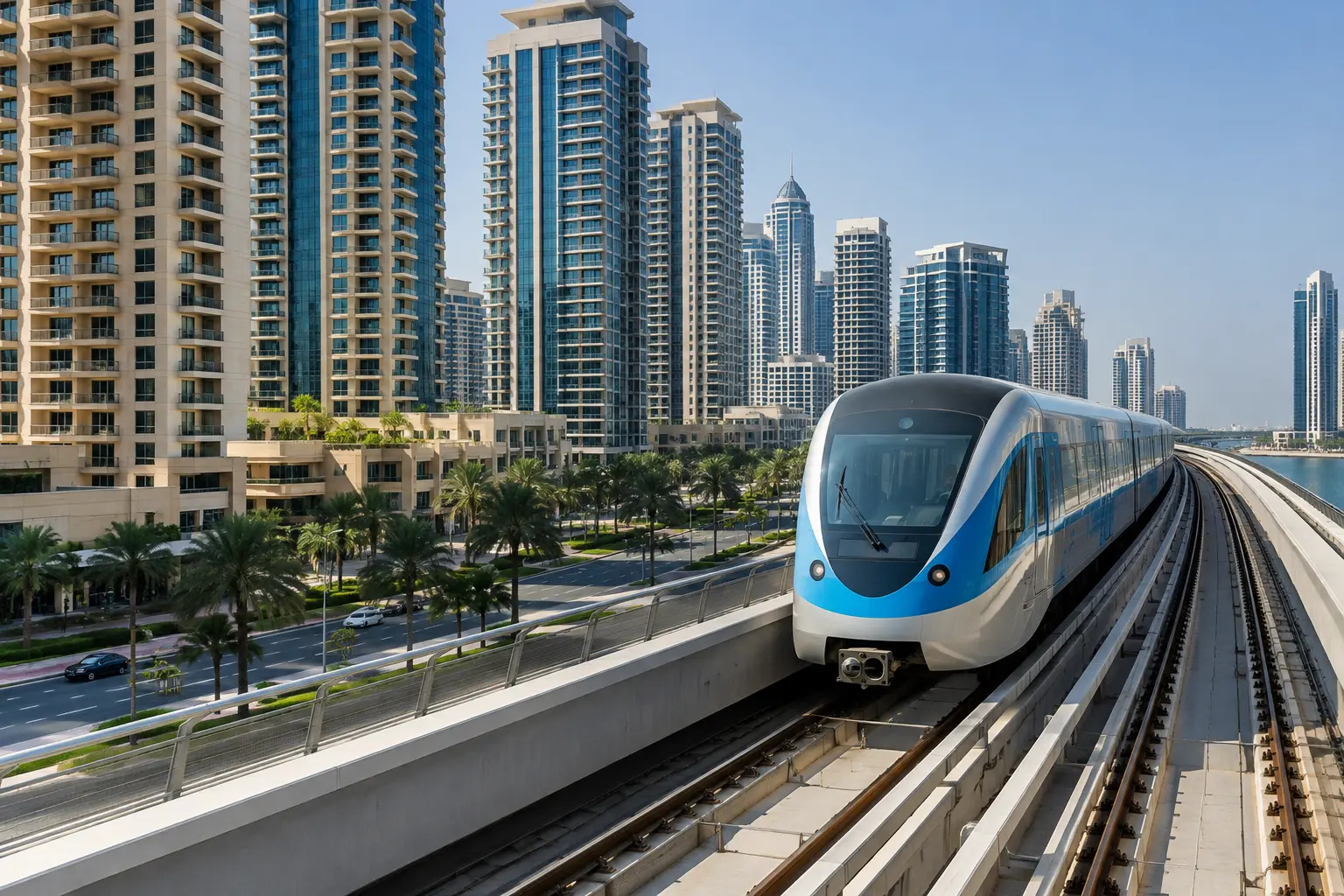
Dubai’s upcoming Metro Blue Line is set to improve everyday mobility across several residential, commercial and educational districts. Scheduled to open in September 2029, the 30-kilometre route will connect the Green and Red Metro Lines through 14 stations, creating easier access to areas that have traditionally been more dependent on private cars.
For residents who want to reduce driving, avoid traffic and simplify their daily routine, choosing a home near a future Blue Line station could make a significant difference. The route will serve Al Jaddaf, Dubai Festival City, Dubai Creek Harbour, Ras Al Khor, International City, Dubai Silicon Oasis, Academic City, Mirdif and Al Warqa, as well as connecting with Al Rashidiya and Dubai International Airport.
Why the Blue Line matters for car-free living
Car-free living is not only about being close to a Metro station. It also depends on access to supermarkets, schools, workplaces, parks, restaurants, healthcare and last-mile transport. The Blue Line can make cross-city journeys more practical while reducing the need to own a car for every trip.
The planned route will link with the Green Line at Creek Interchange Station in Al Jaddaf and the Red Line at Centrepoint in Al Rashidiya. It will also provide access to Dubai International Airport and several growing communities. This connectivity could be especially useful for professionals, students and families who want a more predictable commute.
1. Dubai Creek Harbour
Dubai Creek Harbour is one of the most attractive choices for residents seeking a modern, walkable lifestyle near the Blue Line. The waterfront community features residential towers, promenades, cafés and leisure spaces, giving residents more opportunities to complete daily activities close to home.
The planned station will improve connections from the neighbourhood to Al Jaddaf, Dubai Festival City, Ras Al Khor and other parts of the city. Residents may also benefit from the wider Metro network through the Green Line interchange. This makes Dubai Creek Harbour appealing to professionals who work in central Dubai but prefer a waterfront setting.
When comparing properties, consider walking distance to the future station, the availability of nearby retail and the route between the building entrance and surrounding public spaces.
2. Al Jaddaf
Al Jaddaf is positioned at an important interchange point on the Blue Line. Creek Interchange Station will connect the new route with Dubai’s Green Line, creating access to established districts such as Bur Dubai, Deira and Dubai Healthcare City.
The area includes residential buildings, cultural attractions, hotels and waterfront developments. Its strategic location makes it suitable for residents who need to travel across Dubai without relying heavily on a car. It may also appeal to healthcare workers, hospitality professionals and commuters who value access to multiple Metro directions.
For car-free living, look for buildings close to the interchange, convenient pedestrian routes and essential services within a short walk or a quick feeder journey.
3. Mirdif
Mirdif is a popular residential area known for villas, apartments, family-friendly amenities and proximity to Dubai International Airport. The Blue Line will connect Mirdif to Centrepoint, Al Warqa and International City, while improving access to the wider Metro network.
Although some parts of Mirdif are more spread out than dense central communities, the future connection can make commuting easier for residents who choose homes near the planned station or convenient bus links. Families may appreciate the area’s schools, parks and retail facilities, while airport employees could benefit from the direct connection to the airport network.
Before renting or buying, assess the actual walking route from a property to the station rather than relying only on the neighbourhood name. In larger communities, a short distance on a map may still require a feeder bus, taxi or bicycle.
4. Al Warqa
Al Warqa offers a quieter residential environment while remaining close to major roads, schools and community services. The Blue Line will pass through the area on its route between Centrepoint and International City, giving residents a future public transport option for commuting and leisure trips.
The neighbourhood can suit families who prefer larger homes and a calmer atmosphere. Its car-free potential will vary by sub-community, so location selection will be particularly important. Homes near the future station, local shops and bus connections are likely to offer the most convenient everyday experience.
Residents should also consider shaded walking paths, crossing points and access to supermarkets when evaluating a property. These details can determine whether Metro travel feels genuinely convenient or remains an occasional alternative to driving.
5. International City
International City will be a key point on the Blue Line, with an interchange station connecting the two main directions of the route. The line will serve International City 1, 2 and 3, improving connectivity to Al Jaddaf, Dubai Creek Harbour, Mirdif, Al Warqa, Dubai Silicon Oasis and Academic City.
The area’s diverse residential clusters and generally accessible rental options make it worth considering for tenants and first-time buyers. Its future interchange status could be particularly valuable for students and employees commuting to different parts of Dubai.
However, International City is a large community, and convenience can differ significantly between buildings. Compare walking distances, internal bus services, nearby shops and road crossings before choosing a home. A property close to daily essentials may support a car-free lifestyle more effectively than one with a lower rent but limited access to services.
6. Dubai Silicon Oasis
Dubai Silicon Oasis, often called DSO, is a strong option for professionals, entrepreneurs and students who want to live near technology companies, offices and educational facilities. The Blue Line will connect the area with International City and Academic City, creating a more direct public transport link to important employment and education hubs.
The neighbourhood includes apartments, retail centres, restaurants, clinics and community amenities. Residents who work or study within DSO may be able to combine walking, cycling, short bus trips and Metro travel, reducing the need for daily driving.
When comparing homes, focus on proximity to offices, supermarkets and the future station. A building with practical pedestrian access and nearby services may provide better long-term value than a larger unit farther from transport connections.
7. Dubai Academic City
Dubai Academic City is expected to benefit from improved access for students, university staff and education-sector employees. The Blue Line will extend to the area from Dubai Silicon Oasis, supporting journeys between campuses and residential communities along the route.
Students can consider nearby accommodation in Academic City, DSO or International City depending on budget, lifestyle and campus location. Living close to educational facilities can reduce commuting time, while Metro access may make shopping, social activities and airport travel easier.
For parents choosing accommodation for students, practical factors such as safety, reliable transport, grocery access and walking conditions should be considered alongside rent and unit size.
How to choose the right Blue Line neighborhood
The best neighbourhood depends on your routine rather than the station name alone. Start by listing your main destinations, including work, school, university, healthcare providers and preferred leisure areas. Then compare potential homes based on station proximity, local amenities, rental or purchase costs and expected commute times.
Use Mena Homes’ area comparison tool to evaluate different communities side by side. Buyers should also review financing options and monthly affordability through the Mena Homes mortgage resource before committing to a purchase.
Remember that the Blue Line is an upcoming project, so station access, surrounding retail and pedestrian infrastructure may continue to evolve before opening. Treat current transport availability and future connectivity as separate factors when making a decision.
Final thoughts
The Dubai Metro Blue Line could make several outer and emerging communities more practical for car-free living. Dubai Creek Harbour and Al Jaddaf stand out for strategic connectivity, Mirdif and Al Warqa offer family-oriented environments, while International City, Dubai Silicon Oasis and Academic City may appeal to budget-conscious residents, professionals and students.
Rather than choosing a neighbourhood based only on future Metro access, compare the complete lifestyle: daily walking routes, local services, housing costs and connections to work or study. Compare these neighborhoods using Mena Homes' Compare Meter.