Dubai Metro and Tram Fares in 2026: A Practical Guide for Residents
Dubai’s Metro and Tram network remains one of the most convenient ways for residents to travel across the city. Whether you commute to work, attend university, or use public transport for daily errands, understanding the fare system can help you plan your monthly budget and choose a home in a well-connected location.
Dubai public transport fares are based on zones rather than the exact distance of a journey. The system covers seven zones, and the amount deducted depends on the number of zones crossed during your trip. Metro, Tram, buses, and other participating RTA services use the same zone-based structure when journeys are connected correctly.
Dubai Metro and Tram fare structure in 2026
For standard travel using a Silver, Blue, or Personal nol card, the current fares are:
| Journey type | Silver, Blue or Personal nol | Gold nol |
|---|---|---|
| Within one zone | AED 3 | AED 6 |
| Two adjacent zones | AED 5 | AED 10 |
| More than two zones | AED 7.50 | AED 15 |
These fares apply to eligible journeys on the Dubai Metro and Tram, with the final fare calculated according to the zones travelled. A journey within one zone is the lowest-cost option, while travelling across three or more zones attracts the highest standard fare.
The RTA describes the fare tiers by journey coverage. Tier 1 generally covers travel within one zone or a short trip crossing two zones, Tier 2 covers a journey between neighbouring zones, and Tier 3 applies when a trip crosses three or more zones.
Nol cards and tickets explained
Passengers need a nol card or ticket to use the Metro and Tram. The Silver nol card is usually the most practical choice for residents because it provides access to standard-class travel and can be topped up for regular journeys.
- Silver nol card: Suitable for most residents using standard-class public transport.
- Gold nol card: Allows travel in Gold Class, where available, at twice the standard fare.
- Personal nol card: Designed for registered users and may support concessions for eligible categories.
- Red Ticket: A paper ticket option commonly used by occasional passengers and visitors.
Red Ticket fares are higher than standard Silver nol fares. Regular Red Ticket fares are AED 4 within one zone, AED 6 across two adjacent zones, and AED 8.50 for more than two zones. Gold Red Ticket fares are AED 8, AED 12, and AED 17 respectively.
Children aged five and below can travel free under the applicable RTA rules. Concessionary fares may also be available for eligible students, senior Emiratis and citizens, people of determination, and other approved categories through the appropriate Personal nol arrangements.
How Metro and Tram transfers work
Dubai residents often combine the Metro with the Tram or a connecting bus. The fare is calculated based on the overall journey and zones travelled, provided the transfer rules are followed. Tap your nol card when entering and leaving the system, and make sure the card has sufficient balance before beginning your trip.
Do not forget to check out at the end of the journey. Failure to complete the exit tap can result in an incorrect or higher fare deduction. Keeping the card separate from other contactless cards can also help prevent accidental taps at station gates.
Daily and longer-term travel passes
Residents who make several trips in one day may benefit from a travel pass or the relevant daily fare limit. A one-day Red Ticket pass is available for unlimited standard travel across the network for the day, while a Gold option costs more. Check the latest RTA terms before purchasing because pass availability, validity, and product conditions can vary.
For frequent commuters, longer-term nol passes can offer better value than paying for every journey separately. Passes are generally available for selected periods and zone ranges, including one zone, two zones, or all zones. The right option depends on how often you travel and whether your home, workplace, and regular destinations fall within the same areas.
For example, a resident who travels from a home near a Metro station to an office in the same zone may spend less with individual fares. Someone crossing several zones twice a day may find that a multi-day or monthly pass provides more predictable costs. Compare your expected journeys before selecting a pass.
How transport fares affect your monthly budget
Transport is only one part of the cost of living in Dubai, but it can influence the real affordability of a neighborhood. A lower rent may not represent a saving if your home is far from work and requires frequent long-distance journeys, taxis, or private-car expenses.
When comparing areas, consider the distance to the nearest Metro or Tram station, the number of zones crossed during your regular commute, walking conditions, feeder-bus connections, and the time required for transfers. These factors can affect both your monthly spending and your daily routine.
Mena Homes can help residents evaluate neighborhoods alongside housing considerations. Use the area comparison tool to compare locations based on the factors that matter to your lifestyle. If you are considering buying rather than renting, explore the available mortgage guidance to understand how financing may fit into your wider housing budget.
Practical tips for reducing commuting costs
- Choose a Silver nol card for regular standard-class travel unless you specifically need Gold Class.
- Calculate the zones crossed on your daily route before choosing a monthly pass.
- Consider living and working within the same zone when possible.
- Combine Metro, Tram, and buses carefully to avoid unnecessary taxi trips.
- Top up your nol card in advance so a low balance does not interrupt your commute.
- Check the RTA’s official fare information before making a long-term pass purchase.
- Include transport, parking, and taxi costs when comparing rental or purchase options.
Final thoughts
Dubai Metro and Tram fares in 2026 remain structured around zones, making the system relatively simple once you understand your regular routes. Standard nol card fares start at AED 3 within one zone and rise to AED 7.50 for journeys crossing more than two zones. Occasional passengers may prefer a Red Ticket, while frequent commuters should compare individual fares with available passes.
Transport access should be part of every neighborhood decision. A well-connected home can reduce commuting time, improve convenience, and support a more predictable monthly budget.
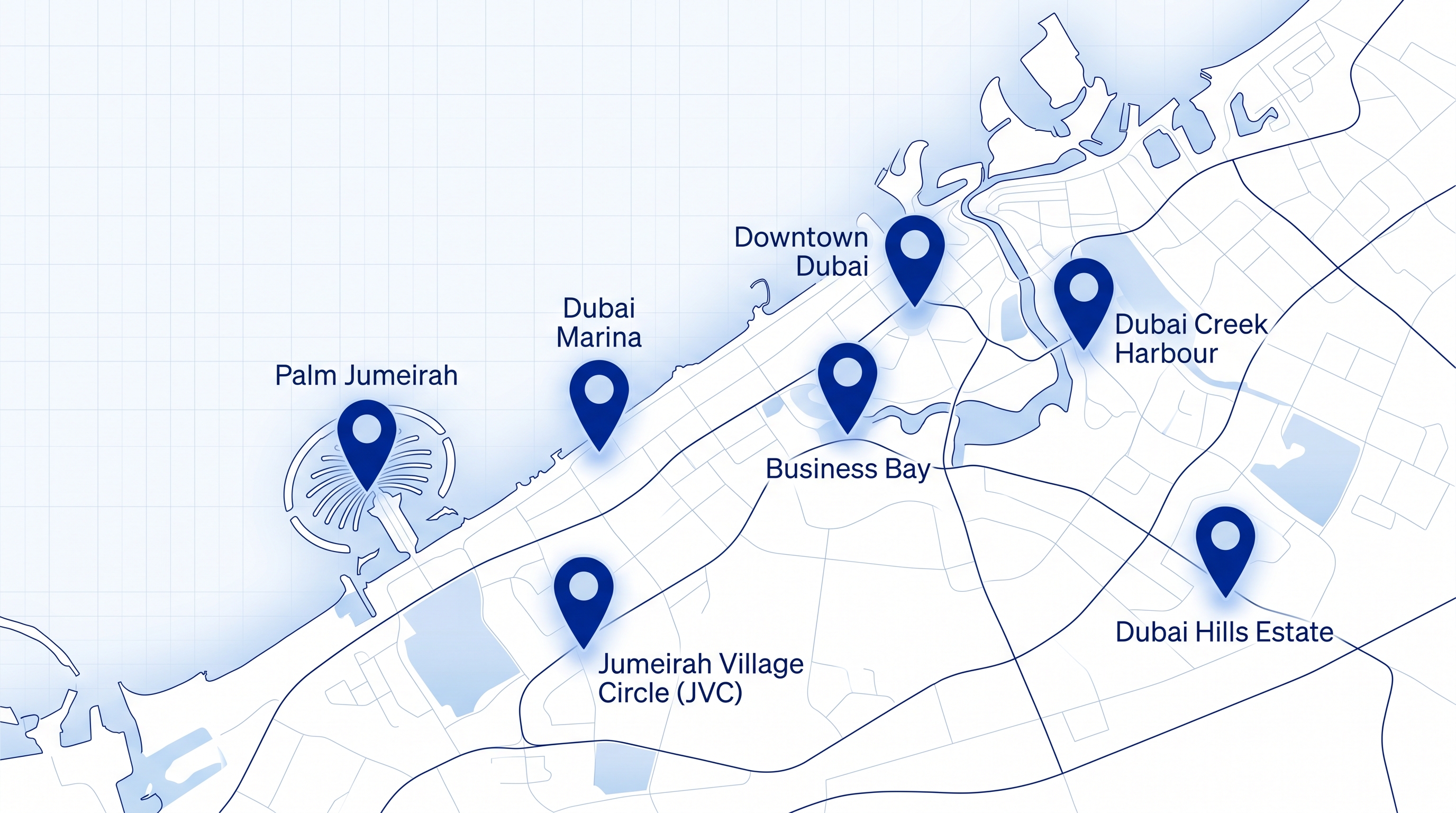
Compare these neighborhoods using Mena Homes' Compare Meter